Etienne Psaila
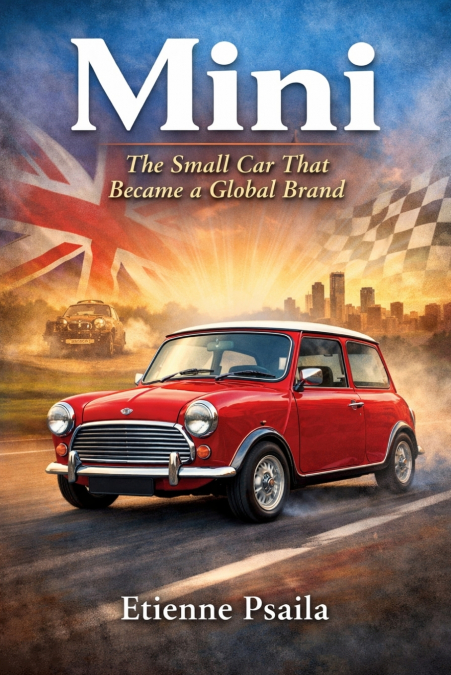
The Mini began as a rational response to a very specific problem: how to move real people, in real cities, with maximum space efficiency and minimum waste. Yet the car that emerged in 1959 outgrew the narrow logic that created it. Through ingenious packaging, unmistakable proportions, and an unusually direct driving character, the Mini became one of the rare industrial products that crossed into everyday culture without losing its credibility as a machine.This book follows the Mini as it moved through the full cycle of an automotive life: early acclaim and hard manufacturing realities; motorsport achievements that converted engineering into myth; corporate upheavals that repeatedly threatened its future; and the long, complicated period when the classic Mini survived on incremental change while the wider industry modernised around it. The story is as much about British industrial conditions-plants, labour, suppliers, capital constraints, and the politics of consolidation-as it is about a single design.The final act is the deliberate, high-investment reinvention of MINI under BMW: heritage treated not as a museum display but as a platform for modern safety, performance, global manufacturing, and brand-led product planning. The modern MINI range, and its shift toward electrification, shows how difficult it is to stay 'small' in spirit when the market, regulation, and technology demand constant growth in complexity-yet that challenge is exactly what makes the Mini’s brand endurance such a useful case study.