Shane Larson
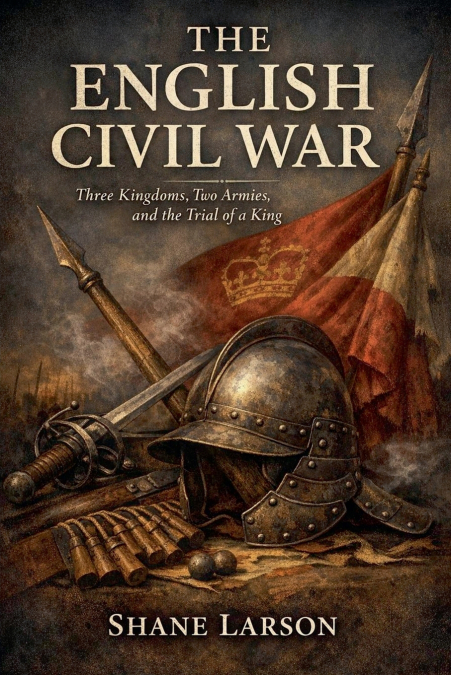
By one careful estimate, a larger share of the people of England died in the Civil War than in the First World War, and in Scotland and Ireland the share was higher still. The war is remembered as a constitutional argument with a scaffold at the end of it. It was also the most destructive war ever fought on British soil.And it did not begin in England. It began in Edinburgh in 1637, when a congregation rioted against a new prayer book. It became a war when the Scots marched into England in 1640 and the king could not pay an army to stop them, and three wars when Ireland rose in 1641. Only then did England divide. This book follows the whole of it, from the riot in St Giles’ to the last battle at Worcester in 1651, because the English part of the story makes no sense without the other two kingdoms.It keeps five people in view throughout: a king who believed absolutely in his sacred authority and could not keep a promise; a Huntingdon farmer and backbench MP who discovered at forty-three that he could command cavalry; a German prince of twenty-two whose white poodle the pamphlets made out to be a demon; the Yorkshireman who built the New Model Army and could not bring himself to kill the king; and the apprentice whipped through London for smuggling Puritan books, who spent the rest of his life insisting that the rights he had fought for belonged to everyone. Around them, women held castles for months, the countryside armed itself against both sides, and in a church at Putney in 1647 soldiers argued about who should have the vote and a clerk wrote it down.It ends with something that had never happened in Europe: a king tried in public by his own subjects, for treason against his own people, and put to death. The book works from the seventeenth-century record, the Clarke Papers, Cromwell’s own letters, the memoirs of men who were there, Lady Harley’s letters from a besieged house, and it says where that record is contested, from the death toll to the Ulster killings of 1641 to Drogheda. Legends, like the stool thrown in St Giles’, are called legends.What you’ll learn:Why a riot over a prayer book in Edinburgh brought down a king in LondonHow a county chose sides in 1642, and why the war did not end in a seasonWhat Rupert’s charges won and what they cost, from Edgehill to Marston MoorHow the New Model Army was built, and how an army came to debate the franchiseWhy nobody set out in 1642 to kill the king, and how the second war of 1648 changed thatWhat happened at Drogheda and Dunbar, with the sources and the long dispute over themWhy the death toll is given as an estimate, with its method, and what stands even if it is wrong by halfThis book is for you if:You know Roundheads and Cavaliers and want the war that ran through Scotland and Ireland as wellYou read military history and want the battles alongside the plunder, free quarter and disease that did most of the killingYou want to know where the arguments about Parliament, the army and the vote came fromYou have read The Thirty Years’ War or The Powder Treason and want the war that followedThree kingdoms, two armies, and a king on a scaffold outside his own Banqueting House. This is the whole war in one volume.