Etienne Psaila
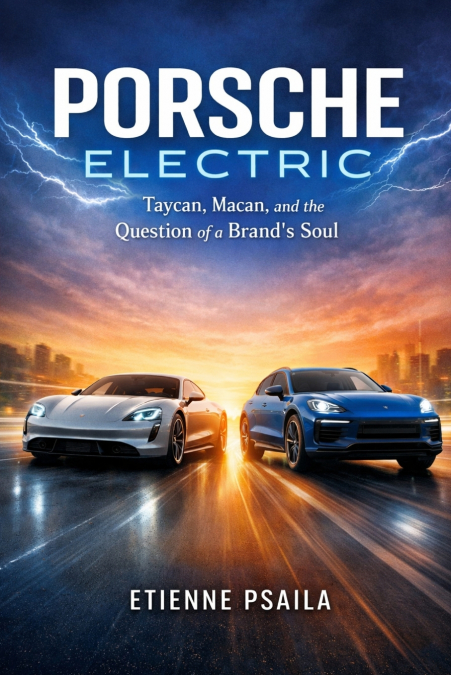
Porsche did not enter the battery-electric era to chase novelty. It entered because the market, regulation, and technology made electrification unavoidable-and because the brand’s reputation has always been built on doing the unavoidable better than anyone else. Yet the move from pistons and valves to motors and software forces a serious question: can the qualities that make a Porsche feel 'right' survive when the mechanical source code is replaced?This book follows Porsche’s electric era through the Taycan and the all-electric Macan, treating the transition as a sequence of engineering and organizational decisions rather than a branding exercise. It traces how high-voltage architecture, thermal strategy, braking calibration, chassis integration, and software-defined control systems became the new guardians of driver confidence and performance repeatability. Along the way, it shows how real-world ownership-charging curves, range predictability, digital reliability, service campaigns, and infrastructure access-has become inseparable from the premium promise.The result is a fact-based narrative about identity under pressure: how a company known for mechanical intimacy rebuilds trust in a quieter, heavier, more system-dependent world. The question of 'soul' is answered not with nostalgia, but with evidence-one engineering choice at a time.