Mandana H. Agha Bozorgi
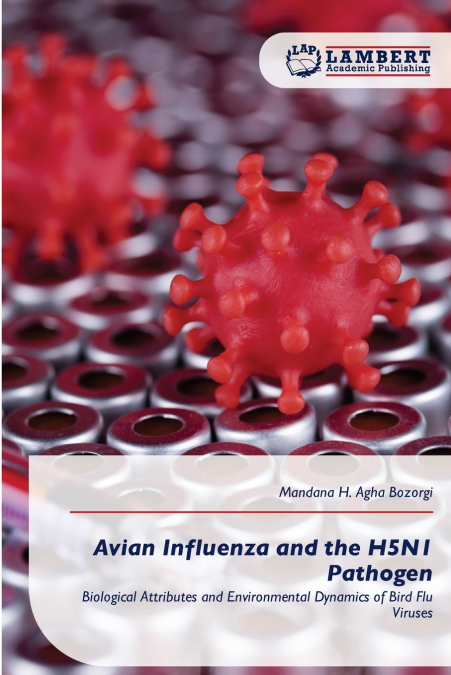
Avian Influenza, or AI, is an infectious condition stemming from Type A influenza viruses within the Orthomyxoviridae family. Although these pathogens frequently circulate among various wild bird populations, they predominantly pose a significant threat to domesticated poultry, such as chickens, ducks, and turkeys. Of particular concern is the documented ability of certain strains to bypass species boundaries, thereby enabling transmission to mammals and humans.The classification of AI viruses relies on the specific pairing of two surface-level glycoproteins: hemagglutinin and neuraminidase. Researchers have categorized sixteen distinct hemagglutinin types (H1 through H16) and nine neuraminidase types (N1 through N9), all of which have been identified within wild avian reservoirs. Genetically, these viruses are defined by their segmented structure, consisting of eight individual strands of ribonucleic acid (RNA).