Etienne Psaila
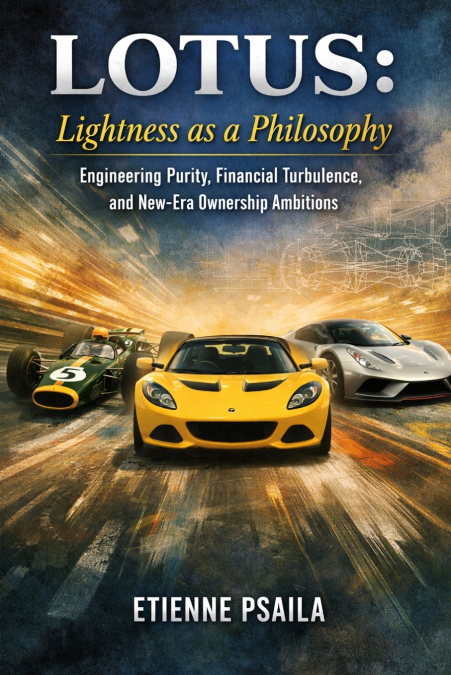
Lotus has always been more than a marque; it’s been a methodology. Built in a Britain that prized ingenuity over abundance, the company turned constraint into an advantage-treating mass as the enemy, structure as an art, and steering feel as a non-negotiable. From the earliest 'specials' and kit-car pragmatism through the defining road cars that taught the industry what handling could mean, Lotus made performance a product of decisions, not just horsepower.But 'simplify, then add lightness' was never only an engineering stance-it was a business gamble. Small volumes, ambitious technical leaps, and relentless reinvention produced periods of brilliance alongside reputational and cashflow whiplash. Motorsport amplified the mythology and accelerated innovation, while the factory reality-people, processes, suppliers, quality, and compliance-kept imposing hard limits on what a small constructor could sustainably do.In the modern era, the pressure only intensifies: safety regulation, emissions targets, global distribution economics, and the market’s appetite for technology and comfort all pull against the old definition of a light car. With new ownership backing and a broader product agenda, Lotus faces the central challenge of its long history in a sharper form-how to preserve the feel, responsiveness, and engineering clarity of 'lightness' when vehicles, customers, and rules increasingly demand the opposite.