Ramon C. Henson
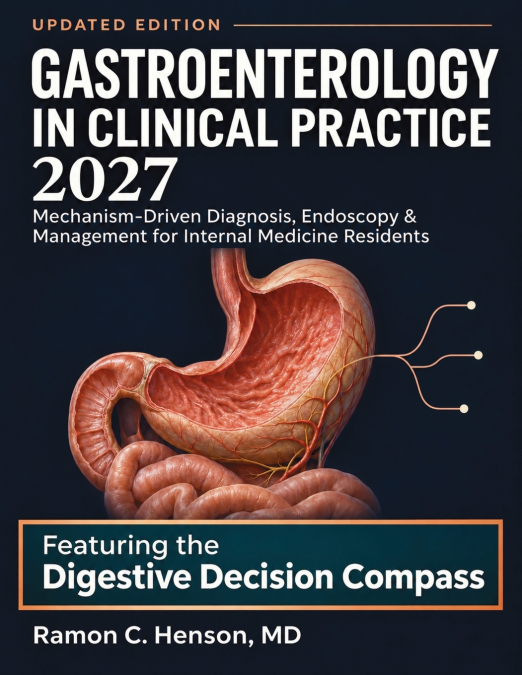
Turn Digestive Findings Into Defensible Decisions Gastroenterology Clinical Practice 2027 connects digestive physiology to the decisions that shape evaluation, endoscopy, treatment, and follow-up. Across 24 chapters, it follows the esophagus, stomach, intestine, pancreas, biliary tract, and liver from common symptoms to time-sensitive emergencies. Written for internal medicine residents, fellows, and working clinicians, it explains how symptoms, biomarkers, imaging, tissue findings, and patient trajectory converge when no single test settles the diagnosis. The Digestive Decision Compass reinforces 72 chapter-linked signals through mechanism, action bearings, and safety boundaries, then consolidates them in an indexed point-of-care navigator. Use the Book to Strengthen These Bedside Capabilities Localize abdominal pain, dysphagia, diarrhea, constipation, and bleeding - connect symptom distribution to anatomy and mechanism before selecting tests. Interpret endoscopy, cross-sectional imaging, manometry, and biopsy - recognize what each modality establishes and where a negative result leaves residual risk. Manage reflux, ulcer disease, and gastrointestinal hemorrhage - separate mucosal injury from hemodynamic threat and define escalation after recurrent bleeding. Differentiate celiac disease, inflammatory bowel disease, infection, and gut-brain interaction disorders - reconcile discordant biomarkers, histology, and symptom burden. Navigate pancreatic and biliary disease - identify obstruction, infection, cyst risk, exocrine failure, and procedure-dependent decision points. Stage liver injury, steatotic liver disease, cirrhosis, and portal hypertension - link fibrosis, decompensation, surveillance, and transplant referral logic. Plan nutrition and longitudinal care - account for absorptive loss, immune status, pregnancy, aging, medication effects, and patient priorities. Recognize threatened bowel, perforation, cholangitis, sepsis, and other emergencies - coordinate stabilization, imaging, consultation, and source control without avoidable delay. Bring mechanism, evidence, and reassessment together in every digestive-care decision.