Fazal Abubakkar Esaf
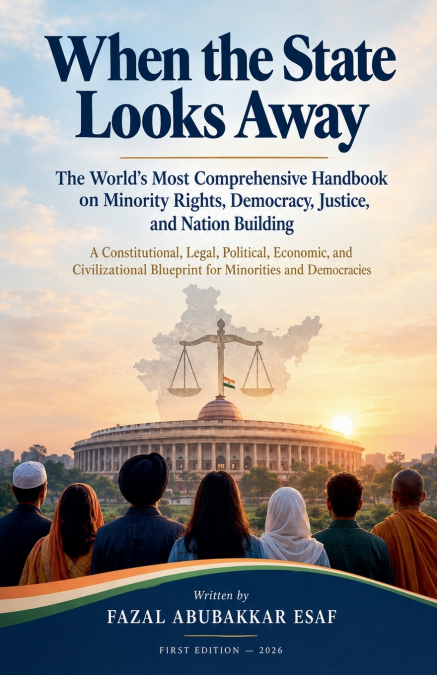
A nation is often judged by the strength of its economy, the size of its military, the achievements of its scientists, the reach of its industries, and the influence it exercises in the world. These measures matter, but they do not tell the whole story. A nation must also be judged by how it treats people who possess less political influence, fewer economic resources, limited access to institutions, or an identity that makes them vulnerable to public suspicion and discrimination.The real test of a constitutional democracy emerges when the rights of an unpopular citizen must be defended against the preferences of a powerful majority. It becomes even more serious when prejudice acquires political legitimacy, discrimination becomes embedded in administrative practice, or public institutions fail to respond to injustice. In such circumstances, the question is not merely whether a constitution promises equality. The question is whether that promise remains meaningful when a citizen needs it most.When the State Looks Away began with a fundamental concern: what happens when the state possesses the authority to protect its citizens but fails to exercise that authority fairly? Sometimes the failure is visible in violence, unlawful detention, discrimination, or the destruction of property. At other times, it appears through silence, delay, inaccessible procedures, unequal opportunities, selective enforcement, or the gradual weakening of public trust. In each case, the distance between constitutional principles and lived experience deserves serious examination.This book is not intended to be only a criticism of governments or a catalog of minority grievances. Its ambition is broader. It seeks to explain the relationship between state power, constitutional safeguards, democratic institutions, social identities, economic opportunity, public information, and national development. It examines how minorities can be protected without weakening democratic institutions, how majorities can exercise political power without denying equal citizenship, and how societies can confront injustice without surrendering themselves to hatred or violence.