Inicio > Matemáticas y ciencia > Biologia, ciencias de la vida > Untersuchung der Artenvielfalt der marinen Makroalgen von El Jadida
Untersuchung der Artenvielfalt der marinen Makroalgen von El Jadida

Untersuchung der Artenvielfalt der marinen Makroalgen von El Jadida

Noreddine Rezzoum

113,12 €
IVA incluido
Disponible
Editorial:
KS OmniScriptum Publishing
Año de edición:
2026
Materia
Biologia, ciencias de la vida
ISBN:
9786630489637
113,12 €
IVA incluido
Disponible
Añadir a favoritos

Die Untersuchung der Algenbestände auf dem Riff von El Jadida ermöglichte die Identifizierung von insgesamt 127 Taxa, die sich auf drei systematische Gruppen verteilten: 20 Chlorophyceae (16 %), 24 Fucophyceae (19 %) und 83 Rhodophyceae (65 %). Die Analyse der Meeresflora des untersuchten Gebiets ergab zum einen, dass 84,25 % atlantisch-mediterraner Herkunft sind, 12,6 % der Arten ausschließlich im Atlantik vorkommen und nur 3,15 % mediterraner Herkunft sind; zum anderen sind 61,42 % photophil und 38,58 % skiaphil. 82,68 % der Taxa weisen eine Affinität zum Infralittoral auf, 17,32 % eine Affinität zum Mediolittoral. Die Untersuchung der Braunalge Fucus spiralis ergab, dass ihre durchschnittliche Größe zwischen einem Minimum von 10 cm im Januar und einem Maximum von 22,8 cm im Juli schwankt; ihre maximale Frischbiomasse wurde zwischen Juli und September verzeichnet (6 kg/m²), das Minimum wurde Mitte Januar festgestellt (2 kg/m²). Die Untersuchung von Laminaria ochroleuca ergab, dass die Biomasse Ende Juni 2005 ihren Höchstwert erreichte (24,57 kg/m² (PF)). Die Ernte dieser Art könnte den ganzen Sommer über erfolgen. Die Überwachung des Gehalts an bestimmten Spurenelementen zeigte bei beiden Arten einen hohen Gehalt.

Artículos relacionados

  • Viral Replication Complexes
    Viruses are obligate intracellular parasites that need to co-opt a living cell’s machinery for replication. At the heart of the viral replication machinery are the nucleic acid polymerases, which are responsible for efficiently copying the viral genome. This process must often be coordinated with other viral processes, including protein translation and viral packaging. The poly...
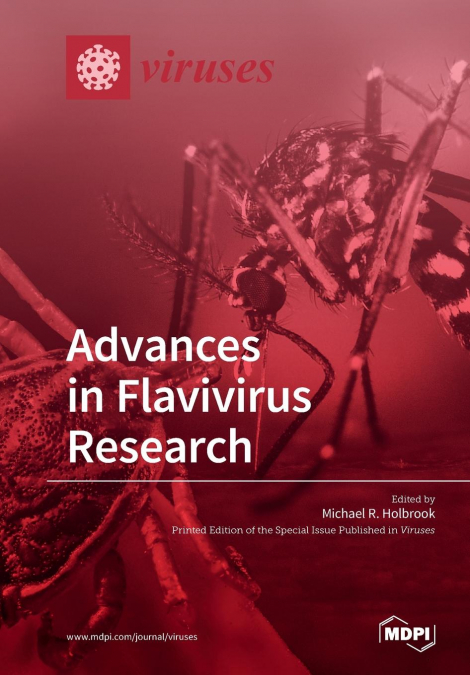
  • Advances in Flavivirus Research
    The flaviviruses are composed almost entirely of arthropod-borne viruses, a subset of which are responsible for millions of cases of human disease each year. Among these viruses are dengue virus—a scourge throughout the tropical regions of Asia and the Americas; yellow fever virus—the “original” hemorrhagic fever virus; and the recently emerged Zika virus. While the flaviviruse...
    Disponible

    51,85 €

  • Brain Asymmetry of Structure and/or Function
    Lesley J. Rogers / Lesley JRogers
    This edited book brings together research reports on the asymmetry of brain function in various species, including humans, dogs, birds, lizards and bees. As shown in a wide range of species, and, as we now know, not solely in humans, the left and right sides of the brain process information in different ways and control different responses or patterns of behaviour. Since this d...
    Disponible

    51,71 €

  • Fungal Pigments
    With the impact of globalization in research trends, the search for healthier life styles, the increasing public demand for natural, organic, and ‘clean labelled’ products, as well as the growing global market for natural colorants in economically fast-growing countries all over the world, filamentous fungi started to be investigated as readily available sources of chemically d...
    Disponible

    43,80 €

  • The Epithelialto- Mesenchymal Transition ( EMT ) in Cancer
    Joëlle Roche
    The epithelial-to-mesenchymal transition (EMT) is a highly dynamic process with multiple transitional states, by which epithelial cells can convert into a mesenchymal phenotype. This process involves loss of cellular adhesion and cellular polarity, and an improvement in migratory and invasive properties. It occurs during normal embryonic development, tissue regeneration, organ ...
    Disponible

    67,86 €

  • The Biology and Treatment of Myeloid Leukaemias
    There has been an observed decrease in the global mortality from cancer, mostly atributable to improved, particularly early, detection and prevention. For many carcinomas and leukaemias in adults, once the disease has reached a certain stage there are no therapies that are able to erradicate the cancer cells and cure patients. There has been progress in the treatment of acute m...
    Disponible

    51,85 €

Otros libros del autor

  • Badanie różnorodności biologicznej makroglonów morskich w El Jadida
    Noreddine Rezzoum
    Badanie zbiorowisk glonów na płycie rafowej w El Jadida pozwoliło zidentyfikować łącznie 127 taksonów podzielonych na 3 grupy systematyczne: 20 Chlorophyceae (16%), 24 Fucophyceae (19%) i 83 Rhodophycea (65%). Analiza flory morskiej badanego regionu wykazała, że z jednej strony 84,25% gatunków należy do flory atlantycko-śródziemnomorskiej, 12,6% gatunków występuje wyłącznie w A...
    Disponible

    113,13 €

  • Study of the Biodiversity of Marine Macroalgae in El Jadida
    Noreddine Rezzoum
    The study of algal communities on the El Jadida reef identified a total of 127 taxa divided into 3 systematic groups: 20 Chlorophyceae (16%), 24 Fucophyceae (19%), and 83 Rhodophyceae (65%). Analysis of the marine flora in the study area revealed that 84.25% of the species are Atlantic-Mediterranean, 12.6% are exclusively Atlantic, and only 3.15% are Mediterranean; furthermore,...
    Disponible

    113,14 €

  • Studio sulla biodiversità delle macroalghe marine di El Jadida
    Noreddine Rezzoum
    Lo studio delle comunità algali della piattaforma corallina di El Jadida ha permesso di identificare un totale di 127 taxa suddivisi in 3 gruppi sistematici: 20 Chlorophyceae (16%), 24 Fucophyceae (19%) e 83 Rhodophycea (65%). L’analisi della flora marina della regione studiata ha permesso di dimostrare, da un lato, che l’84,25% delle specie è di tipo atlantico-mediterraneo, il...
    Disponible

    113,13 €

  • Estudo da biodiversidade das macroalgas marinhas de El Jadida
    Noreddine Rezzoum
    O estudo das comunidades de algas do Platier de El Jadida permitiu identificar um total de 127 taxons distribuídos por 3 grupos sistemáticos: 20 Chlorophyceae (16 %), 24 Fucophyceae (19 %) e 83 Rhodophycea (65 %). A análise da flora marinha da região estudada revelou, por um lado, que 84,25 % são de origem atlântico-mediterrânica, 12,6 % das espécies são exclusivamente atlântic...
    Disponible

    113,13 €