Casey Davidson
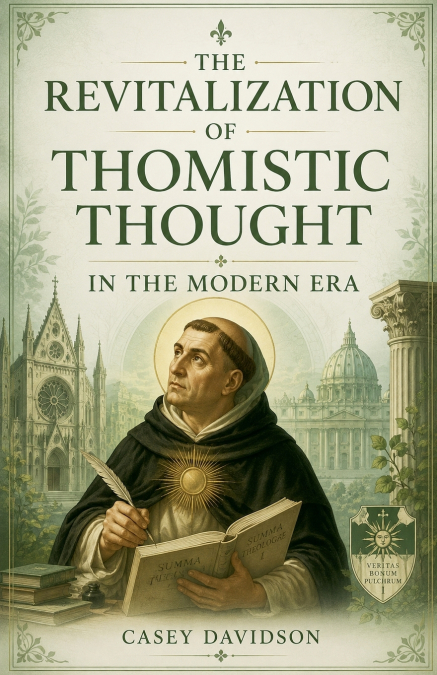
The intellectual landscape of the late modern era is defined by a paradox of unprecedented technological mastery coupled with profound conceptual fragmentation. Never before has humanity possessed such precise empirical tools to measure, manipulate, and map the physical fabric of reality, yet rarely has there been so little consensus regarding what reality ultimately is, how human knowledge relates to it, or what constitutes a life directed toward the good. The collapse of the Enlightenment promise-which sought to establish an absolute, universal rationality independent of historical tradition or metaphysical grounding-has left in its wake a philosophical environment largely split between a hyper-specialized, often mechanistic physicalism and a post-structuralist skepticism that views all overarching narratives of truth as mere constructs of power or historical contingency. In this context of intellectual dislocation, where the foundational questions of existence, mind, purpose, and morality are either dismissed as pseudo-problems or relegated to private subjectivity, the thought of St. Thomas Aquinas re-emerges not as an antiquarian curiosity, but as a crucial, living interlocutor. It is this fundamental orientation toward objective reality, coupled with a deep confidence in the capacity of human reason to apprehend that reality, that endows Thomism with its persistent vitality. When contemporary thought encounters Thomas, it does not encounter a rigid dogma demanding submission, but a philosophia perennis-a perennial philosophy that provides the metaphysical vocabulary and epistemological framework necessary to address the specific pathologies of the modern mind.