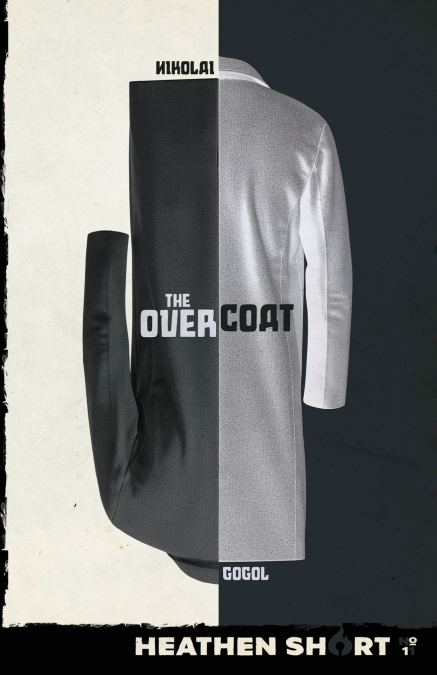
Nikolái Gógol
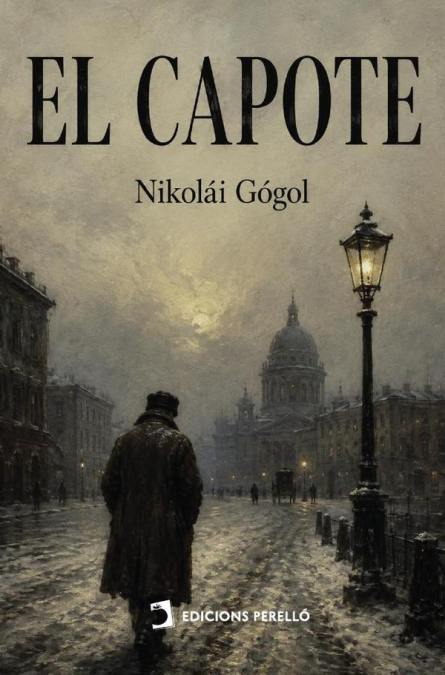
Nikolai Vasilyevich Gogol (1809-1852) was a Russian author and playwright of Ukrainian origin, whose deep influence has been widely recognized in world literature. In 1842, he published the short story 'The Overcoat' (sometimes translated as 'The Cloak'), which is now seen as 'the greatest Russian short story ever written.' At its center is Akaky Akakyevitch, a humble copyist whose life is marked by ridicule, invisibility, and quiet endurance. When his threadbare coat disintegrates, Akaky commissions a new one - a modest garment that rapidly transforms his fate. With it, he is seen, celebrated, and even welcomed. Without it, the fragile dignity it conferred vanishes, and Akaky’s sudden ascent collapses under the gravity of indifference. Gogol’s tale fractures along this spectral seam - between visible and invisible, poverty and pride, body and soul, coat and man. In its duality, 'The Overcoat' becomes both elegy and indictment, and, in its misalignment, reveals the spiritual cost of being seen too late.