M. Alex Westbrooks
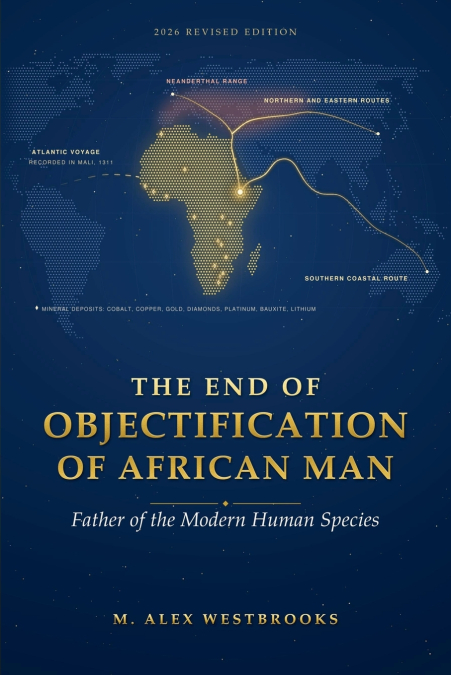
Words decide who is a person and who is a possession, who is named for a homeland and who is named for a price.In this revised edition of The End of Objectification of African Man, M. Alex Westbrooks, a civil rights and veteran rights advocate, asks a question that simplifies everything else: why are we still calling human beings by the names their enslavers gave them? He answers it with history, science, law, and the record of his own 2025 petitions to government, schools, civil rights organizations, the African Union Commission, and the United Nations.Part by part, the book follows the evidence.The words and their histories. Where 'Black' and 'white' came from as labels for people, how a whole vocabulary of color grew around them, how 'Hispanic,' 'Latino,' and 'Latinx' were drawn from empire, and how communities have named themselves across two centuries.The law, the count, and the science. How the law made races, how the census counted by color from 1790 to today, what skin, sun, and complexion actually reveal, and what fossils and genes say about African origins and one human family.The language of ownership. Why 'enslaved person' names a person where 'slave' names a status, and why color words fail as description.Public names and public space. The names of institutions, African American History Month, the monuments of Columbus, New York’s buried history, Seneca Village, and the question every community must answer: who decides what a public space honors?Schools, Africa, and the screen. What classrooms teach and leave out, Africa’s place in the oldest record of science, the letter to the African Union, and how film, news, and music shape the story a culture tells about itself.The faith that binds the family. A closing argument that one human race shares one planet and one Higher Power.Throughout, the book keeps the record apart from interpretation. Each chapter sets out primary sources, court opinions, government data, and scholarship first, then offers a clearly labeled reflection and a proposed remedy addressed to the people with the power to grant it. A phased reform agenda gives schools, agencies, and public bodies a practical order of steps, and a plan keeps civil rights data whole through every change. Appendices list the author’s filings by date, set out the legal framework, and summarize each petition, with source notes by chapter and an index.This edition adds new passages on the difference between a word’s history and its present effect, on the right of every person to decline to answer, and on how evidence and public support decide which changes move first.Written as a patriot who believes in the founding promise of freedom, the book is meant to disturb the comfortable and to stay accurate, because accuracy makes a demand impossible to dismiss.Read it to see how a single word can carry centuries, and how changing it can begin to change much more.