A. L. Webre
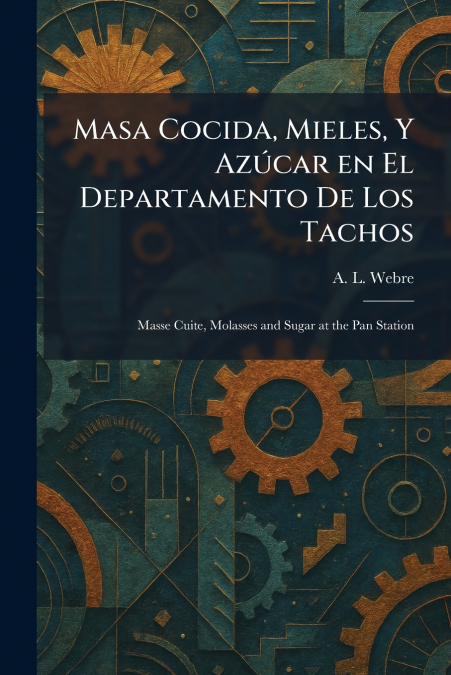
'Masa Cocida, Mieles, Y Azúcar en El Departamento De Los Tachos' es un exhaustivo tratado técnico que profundiza en los procesos fundamentales de la industria azucarera, centrándose especÃficamente en la fase crÃtica de la cristalización en el departamento de los tachos. Escrita por el experto A. L. Webre, esta obra ofrece un análisis detallado sobre el manejo de la masa cocida, la gestión de las mieles y la producción eficiente de azúcar granulada.El libro explora la ingenierÃa y la quÃmica aplicadas al proceso de evaporación al vacÃo, proporcionando pautas técnicas esenciales para optimizar el rendimiento industrial. A través de un enfoque práctico y cientÃfico, el autor describe las variables operativas que afectan la calidad del cristal y la recuperación de la sacarosa, convirtiendo este texto en un manual de referencia para la época. La obra es de gran valor para profesionales de la ingenierÃa quÃmica, tecnólogos de alimentos e historiadores interesados en el desarrollo tecnológico de la producción de azúcar durante la primera mitad del siglo XX. Su contenido técnico sigue siendo un testimonio fascinante de la evolución de las prácticas industriales y los métodos de control en las plantas de procesamiento azucarero.This work has been selected by scholars as being culturally important, and is part of the knowledge base of civilization as we know it. This work was reproduced from the original artifact, and remains as true to the original work as possible. Therefore, you may see the original copyright references, library stamps (as most of these works have been housed in our most important libraries around the world), and other notations in the work.This work is in the public domain in the United States of America, and possibly other nations. Within the United States, you may freely copy and distribute this work, as no entity (individual or corporate) has a copyright on the body of the work.As a reproduction of a historical artifact, this work may contain missing or blurred pages, poor pictures, errant marks, etc. Scholars believe, and we concur, that this work is important enough to be preserved, reproduced, and made generally available to the public. We appreciate your support of the preservation process, and thank you for being an important part of keeping this knowledge alive and relevant.