John Roe-Deasy
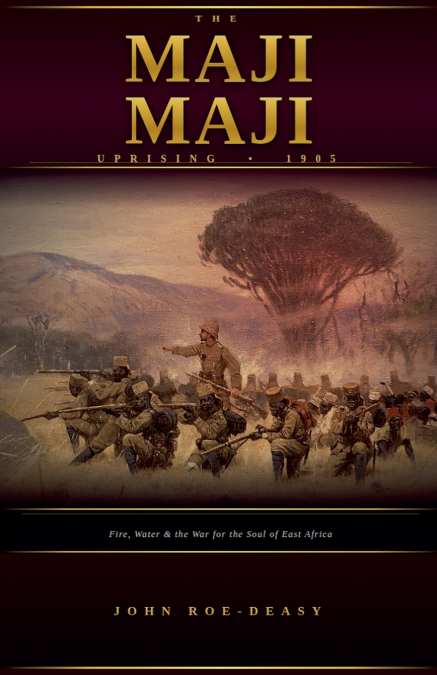
In 1902, a German colonial governor signed a decree mandating that every village in the southern districts of German East Africa grow cotton - on land the families needed for food, during the months they needed for their own crops. Three years later, two men walked into a colonial cotton field and pulled the plants from the earth. What followed was one of the most extraordinary anti-colonial uprisings in African history.John Roe-Deasy’s Maji Maji is the sweeping, meticulously researched account of the rebellion that shook the German Empire and killed more than a hundred thousand people. At its center is Kinjikitile Ngwale, the prophet who walked into a river and returned with a divine commission - and with water he believed could stop bullets. Working from colonial archives, missionary records, and the oral historical tradition of the communities involved, Roe-Deasy reconstructs how this vision built a coalition of twenty-plus ethnolinguistic groups against a technologically superior enemy, how the German military responded with engineered famine, and how the memory of what happened has shaped a nation and haunted a continent ever since.Urgent, humane, and unsparing, Maji Maji insists on naming what was done - and what is still owed.