Renee’ Clark
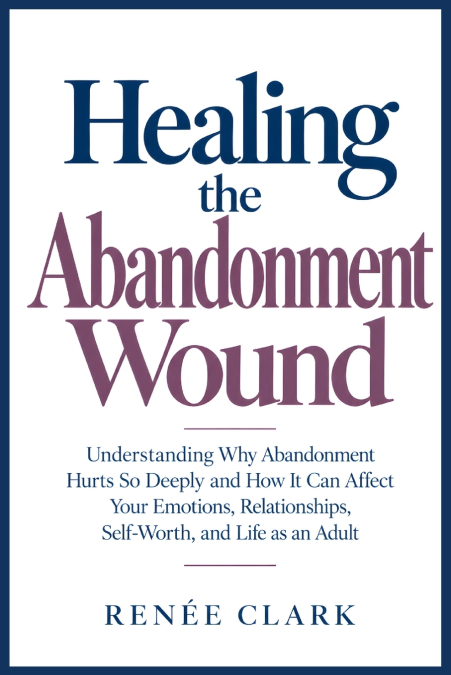
Sometimes the fear of being left begins long before someone actually walks away.Abandonment can take many forms. A parent may have been physically absent or emotionally unavailable. A caregiver may have been loving but inconsistent. Someone important may have died, moved away, disappeared, or become unable to provide the connection you depended on. A friendship may have ended unexpectedly. A romantic partner may have left, betrayed your trust, or repeatedly threatened the security of the relationship.And sometimes there is no single moment you can point to at all.Healing the Abandonment Wound explores what can happen when earlier experiences teach you that connection is uncertain, people may leave, or being loved does not necessarily mean someone will stay..Renée Clark takes a grounded approach to understanding these patterns without turning every breakup, fear, attachment behavior, or difficult relationship into evidence of unresolved abandonment.Inside, you’ll explore:What people mean when they talk about an 'abandonment wound'Why abandonment can involve emotional absence as well as physical separationHow loss, inconsistency, rejection, and unpredictable connection may shape beliefs about relationshipsWhy some people become highly sensitive to changes in closeness, communication, or availabilityHow reassurance-seeking and overthinking can become attempts to create emotional securityHow to build relationships based more on connection than fearAnd much moreHealing an abandonment wound does not mean reaching a point where you never fear losing anyone again. Loss, separation, uncertainty, and relationship endings are part of being human.The goal is not to guarantee that no one will ever leave.The goal is to develop a stronger sense that if someone does leave, you will not lose yourself with them.