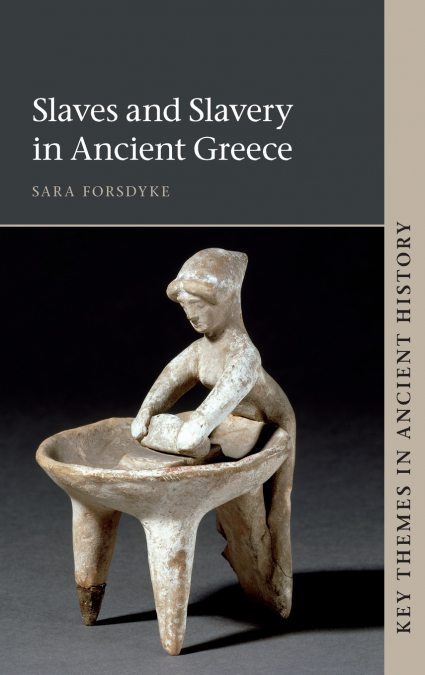
Exile, Ostracism, and Democracy

Exile, Ostracism, and Democracy

Sara Forsdyke

114,94 €
IVA incluido
Consulta disponibilidad
Editorial:
Princeton University Press
Año de edición:
2005
Materia
Estructuras políticas: democracia
ISBN:
9780691119755
Añadir a favoritos

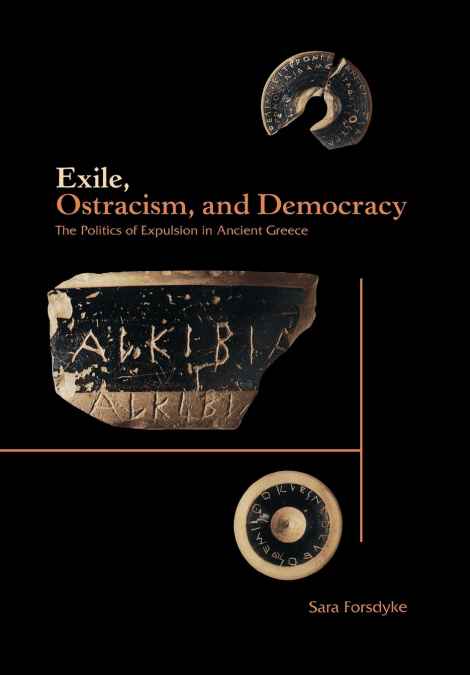
This book explores the cultural and political significance of ostracism in democratic Athens. In contrast to previous interpretations, Sara Forsdyke argues that ostracism was primarily a symbolic institution whose meaning for the Athenians was determined both by past experiences of exile and by its role as a context for the ongoing negotiation of democratic values. The first part of the book demonstrates the strong connection between exile and political power in archaic Greece. In Athens and elsewhere, elites seized power by expelling their rivals. Violent intra-elite conflict of this sort was a highly unstable form of 'politics that was only temporarily checked by various attempts at elite self-regulation. A lasting solution to the problem of exile was found only in the late sixth century during a particularly intense series of violent expulsions. At this time, the Athenian people rose up and seized simultaneously control over decisions of exile and political power. The close connection between political power and the power of expulsion explains why ostracism was a central part of the democratic reforms. Forsdyke shows how ostracism functioned both as a symbol of democratic power and as a key term in the ideological justification of democratic rule. Crucial to the author’s interpretation is the recognition that ostracism was both a remarkably mild form of exile and one that was infrequently used. By analyzing the representation of exile in Athenian imperial decrees, in the works of Herodotus, Thucydides, Plato, Aristotle, and in tragedy and oratory, Forsdyke shows how exile served as an important term in the debate about the best form of rule.


Artículos relacionados

  • Argumentos de filosofía política de la tercera y cuarta transformaciones de México. Una aproximación interdisciplinar
    Ana Paola Tiro Chagoyán / Virginia Aspe Armella
    Presentamos al lector el tercero de los tres libros que fueron resultado del proyecto de investigación semilla Fondo Fomento a la Investigación de la Universidad Panamericana que en nuestro caso fue titulado Argumentos de filosofía política de las cuatro transformaciones de México, etapa primera, la Ilustración mexicana de los siglos XVIII y primeros años del XIX, la Independen...
    Disponible

    30,68 €

  • Making Democracy Fun
    Josh A. Lerner
    ...
    Disponible

    33,87 €

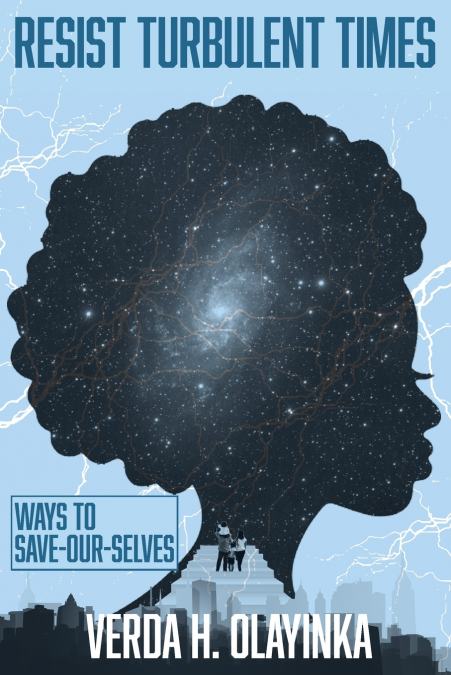
  • Resist Turbulent Times
    Verda Harris-Olayinka
    Resist Turbulent Times is for Everyday People and College students (who are also Everyday Ppl) - and their professors who assign textbooks for their students.Verda H. Olayinka followed the advice of noted Kemetic (African) American visionary, Harold Cruse who advised theCultural Intellectual to 'Synthesize a Black Social Science methodology in the process of developing a functi...
    Disponible

    16,64 €

  • By Executive Order
    Andrew Rudalevige
    How the executive branch-not the president alone-formulates executive orders, and how this process constrains the chief executive’s ability to act unilaterallyThe president of the United States is commonly thought to wield extraordinary personal power through the issuance of executive orders. In fact, the vast majority of such orders are proposed by federal agencies and shaped ...
    Disponible

    43,00 €

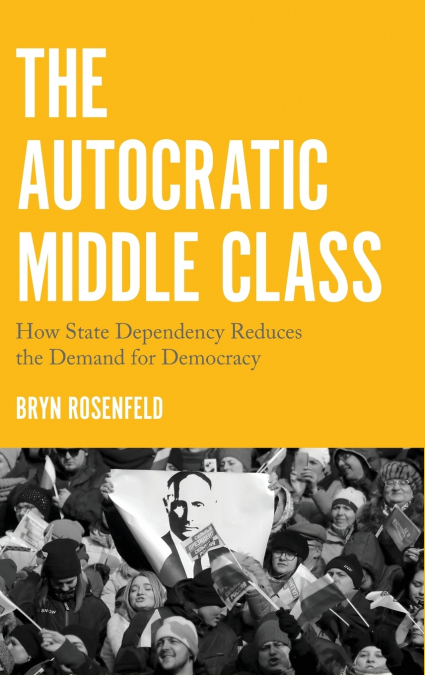
  • The Autocratic Middle Class
    Bryn Rosenfeld
    How middle-class economic dependence on the state impedes democratization and contributes to authoritarian resilienceConventional wisdom holds that the rising middle classes are a force for democracy. Yet in post-Soviet countries like Russia, where the middle class has grown rapidly, authoritarianism is deepening. Challenging a basic tenet of democratization theory, Bryn Rosenf...
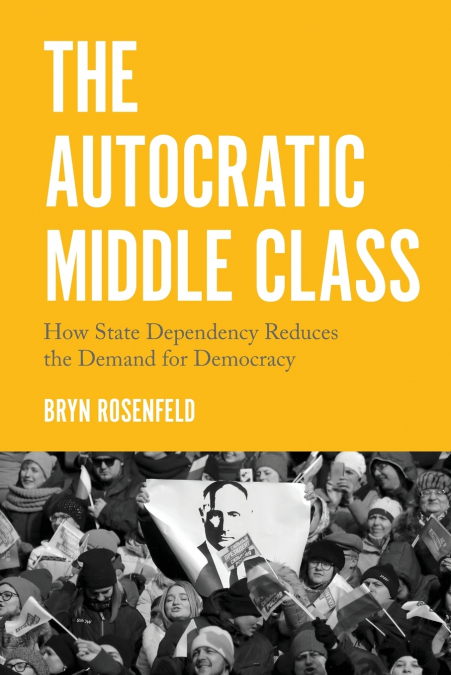
  • The Autocratic Middle Class
    Bryn Rosenfeld
    How middle-class economic dependence on the state impedes democratization and contributes to authoritarian resilienceConventional wisdom holds that the rising middle classes are a force for democracy. Yet in post-Soviet countries like Russia, where the middle class has grown rapidly, authoritarianism is deepening. Challenging a basic tenet of democratization theory, Bryn Rosenf...
    Disponible

    54,14 €

Otros libros del autor