Arshi Naim
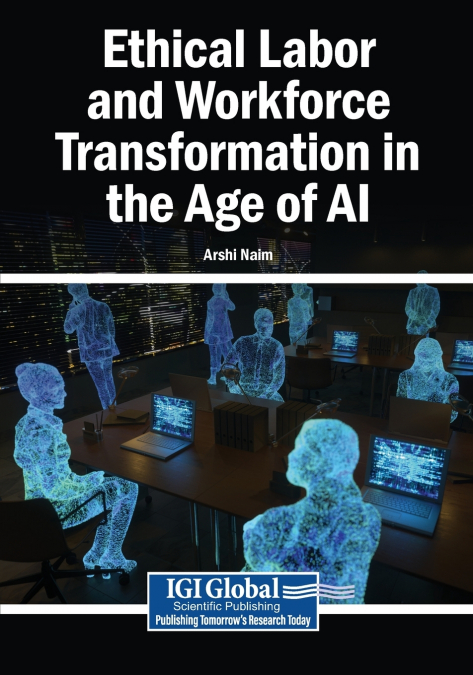
Artificial intelligence (AI) and algorithmic management are reshaping the nature of work, challenging long-standing assumptions about organizational responsibility to employees. While these technologies promise greater efficiency, productivity, and operational effectiveness, they also introduce significant concerns related to employment security, fairness, transparency, and human dignity. Traditional corporate social responsibility (CSR), often associated with philanthropy and external stakeholder engagement, is increasingly being tested by issues that originate within the digital workplace itself, including algorithmic decision-making, workplace surveillance, and automated performance management. These challenges extend beyond hiring and scheduling, influencing organizational communication, stakeholder relationships, and strategic decision-making across all levels of the enterprise. Addressing them requires a framework for responsibility that treats ethical labor practices, workforce well-being, and governance as foundational considerations rather than after-the-fact solutions. Ethical Labor and Workforce Transformation in the Age of AI advances an emerging research agenda that examines ethical labor and technological innovation as interconnected dimensions of organizational change. This book explores how the transformation of work in the AI era is as much a matter of governance, accountability, and institutional design as it is of technological advancement. Drawing on qualitative and framework-oriented perspectives from multiple countries, it bridges CSR theory with the practical realities of algorithmic management while offering strategies for responsible governance and employee well-being. Covering topics such as algorithmic accountability, digital labor platforms, and workforce reskilling, this book is an essential resource for graduate and doctoral students, talent acquisition professionals, ESG practitioners, policymakers, digital transformation leaders, organizational psychologists, and labor policy researchers.