Raymond Allard
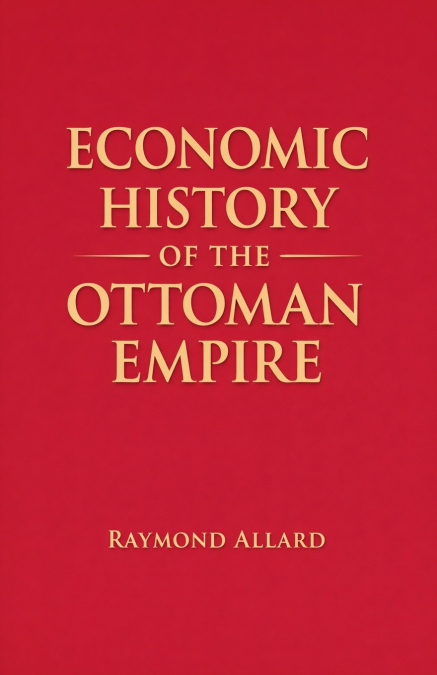
For more than six centuries, the Ottoman Empire stood as one of history’s most formidable political and economic powers, stretching at its height from the gates of Vienna to the Persian Gulf, from the steppes of Ukraine to the deserts of North Africa. Between its founding around 1299 and its dissolution in 1922, this vast empire controlled some of the world’s most strategically important trade routes, governed diverse populations numbering in the tens of millions, and developed sophisticated systems of taxation, commerce, and agricultural production that sustained one of the largest military machines the world had ever seen. Yet despite this remarkable longevity and power, the economic history of the Ottoman Empire remains less familiar to general readers than the stories of its sultans, janissaries, and territorial conquests. This book seeks to remedy that gap by placing economic forces at the center of the Ottoman story, arguing that understanding the empire’s economic structures, successes, and ultimate failures is essential to comprehending both its centuries of dominance and its eventual decline.