Inicio > Humanidades > Filosofía > Ética y filosofía moral > Dignidad humana y condiciones de realización
Dignidad humana y condiciones de realización

Dignidad humana y condiciones de realización

Jesús Quezada Salas

29,12 €
IVA incluido
Disponible
Editorial:
Editorial Página Seis
Año de edición:
2026
Materia
Ética y filosofía moral
ISBN:
9789709562729
29,12 €
IVA incluido
Disponible
Añadir a favoritos

La dignidad humana es una de las nociones más invocadas y, al mismo tiempo, más ambiguas del lenguaje jurídico y moral contemporáneo. Su presencia en el derecho constitucional, los derechos humanos, la bioética y la filosofía política contrasta con la dificultad de precisar qué significa, qué fundamenta y hasta dónde alcanza. Este libro parte de una pregunta decisiva: si la dignidad pertenece verdaderamente a toda persona, ¿puede depender de propiedades que admiten grados, como la autonomía, la racionalidad, la capacidad, el reconocimiento o la utilidad?Dignidad humana y condiciones de realización propone una respuesta rigurosa: la dignidad no es una magnitud ni una cualidad susceptible de aumentar, disminuir o perderse, sino una posición normativa básica que impide convertir las diferencias humanas en jerarquías de personas. Lo graduable pertenece a otro plano: el de las condiciones de realización que permiten ejercer derechos, decidir, participar y vivir sin quedar sometido a la voluntad de otros.Jesús Quezada Salas somete esta tesis a casos límite, objeciones filosóficas, precedentes judiciales y criterios de refutación. El resultado es una investigación que dialoga con la filosofía moral, la teoría del derecho y la jurisprudencia constitucional para devolver a la dignidad una función más precisa: no resolver todos los conflictos, sino establecer aquello que ninguna diferencia puede convertir legítimamente en inferioridad humana. 10

Artículos relacionados

  • Ka Ab Ba Building The Lighted Temple
    Dr Terri R. Nelson / Dr Terri RNelson
    The book KaAbBa Building The Lighted Temple/Metaphysical Keys to the Tree of Life draws a circle that is inclusive of the Afrikan origin of the Ancient Kemetic/Egyptian wisdom. It reveals the undeniable root and link of Ancient Africa to all the religious systems that would develop worldwide. This book is explosive in its power to convey the meaning of KaAbBa, the Medu Neter  (...
    Disponible

    45,14 €

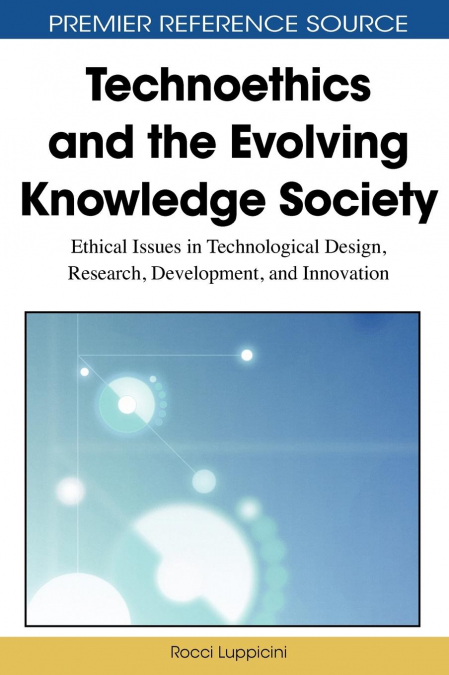
  • Technoethics and the Evolving Knowledge Society
    Rocci Luppicini
    Recently, there has been a major push to rediscover the ethical dimension of technology across the sciences, social sciences, and humanities. Technoethics and the Evolving Knowledge Society: Ethical Issues in Technological Design, Research, Development, and Innovation examines human processes and practices connected to technology embedded within social, political, and moral sph...
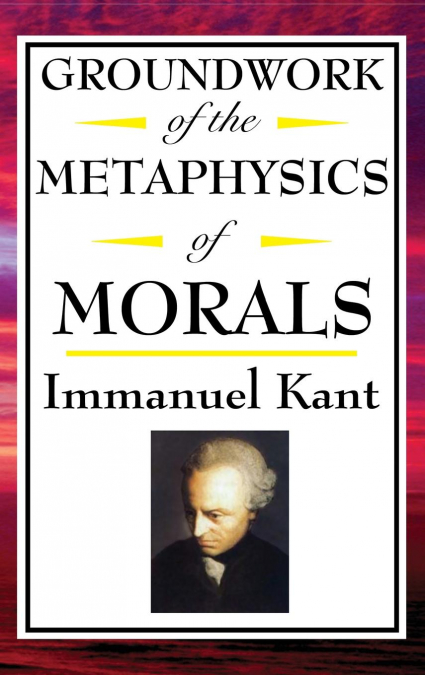
  • Kant
    Immanuel Kant
    Kant’s Groundwork of the Metaphysics of Morals is one of the most important works in modern moral philosophy. It belongs beside Plato, Aristotle, Machiavelli, and Hobbes. Here Kant sets out to articulate and defend the Categorical Imperative - the fundamental principle that underlies moral reasoning - and to lay the foundation for a comprehensive account of justice and human vi...
  • On the Duty of Civil Disobedience
    HENRY DAVID THOREAU
    Civil Disobedience argues that citizens should not permit their governments to overrule their consciences, and that they have a duty to avoid allowing their acquiescence to enable the government to make them the agents of injustice. Thoreau was motivated in part by his disgust with slavery and the Mexican-American War, but the sentiments he expresses here are just as pertinent ...
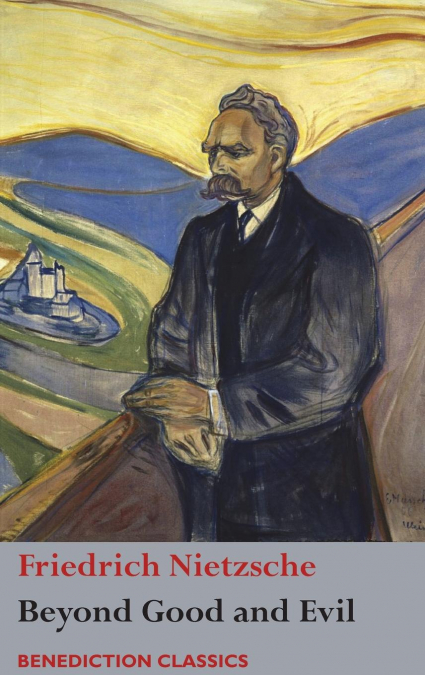
  • Beyond Good and Evil
    Friedrich Nietzsche
    Nietzsche, though primarily a philosopher, wrote widely on art, philology, history, religion, tragedy, culture, and science.  In 1886, at the height of his powers, he published Beyond Good and Evil.  Here he examines much of the best of human thought--dogmatic philosophy, Judeo-Christian morality, science and democracy – and finds it lacking.  Rejecting “slave-morality” he pres...
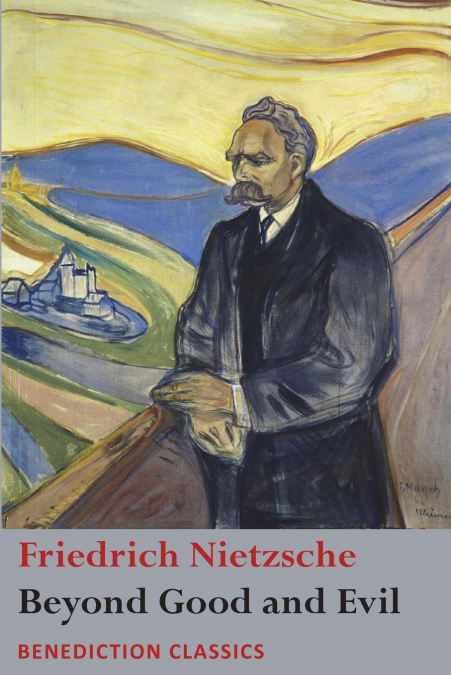
  • Beyond Good and Evil
    Friedrich Nietzsche
    Nietzsche, though primarily a philosopher, wrote widely on art, philology, history, religion, tragedy, culture, and science.  In 1886, at the height of his powers, he published Beyond Good and Evil.  Here he examines much of the best of human thought--dogmatic philosophy, Judeo-Christian morality, science and democracy – and finds it lacking.  Rejecting “slave-morality” he pres...
    Disponible

    10,94 €

Otros libros del autor

  • Teoría de los derechos fundamentales
    Jesús Quezada Salas
    El presente libro nació de una convicción sencilla y severa: el derecho ha perdido, en gran parte, la conciencia de su origen humano. Entre códigos, tratados, doctrinas, reformas y sentencias, la justicia corre el riesgo de convertirse en técnica, y la técnica en un sustituto pobre del alma.Este no es un manual, ni un compendio, ni una obra exhaustiva. Es, más bien, un intento ...
    Disponible

    10,92 €