Fazal Abubakkar Esaf
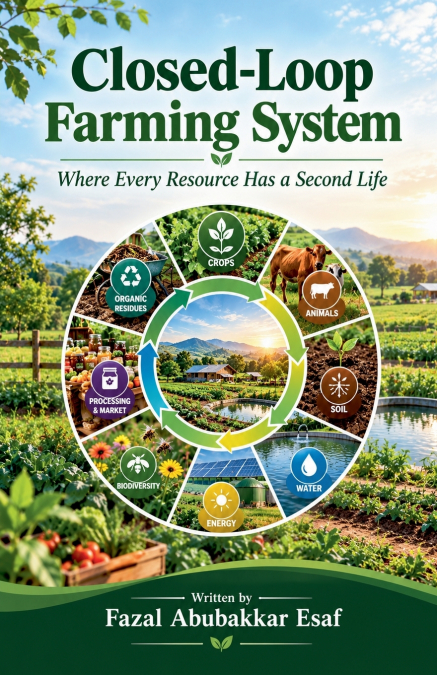
The Farm That Wastes Nothing It Can Safely UseRethinking What a Farm Is Designed to DoImagine two farms located in the same region, receiving broadly similar rainfall and growing comparable crops. The first farm purchases most of its fertilizers, feed, fuel, and other operating inputs. Crop residues are treated as a disposal problem. Water is used without a complete accounting of losses. Machinery is replaced when maintenance becomes difficult to organize. Produce is sold soon after harvest, sometimes at unfavorable prices because storage or processing facilities are unavailable.The second farm takes a different approach. It measures its resource flows, protects soil organic matter, uses crop residues according to their safest and most valuable purpose, captures suitable rainwater, diversifies production, maintains equipment, and plans its sales around local demand. Where practical and appropriate, it integrates livestock, composting, renewable energy, and small processing activities. It also tracks costs and maintains reserves for difficult seasons.The second farm is not necessarily independent of external inputs. It may still purchase fuel, specialist equipment, medicines, nutrients, or services. Nor is it guaranteed to earn more money in every season. Its advantage lies in understanding how its resources interact and in making deliberate choices about efficiency, resilience, and long-term viability.This is the central idea behind the Closed-Loop Farming System