Inicio > Humanidades > Filosofía > Ética y filosofía moral > ספר העיקרים - עיקרי הפילוסופיה היהודית
ספר העיקרים - עיקרי הפילוסופיה היהודית

ספר העיקרים - עיקרי הפילוסופיה היהודית

החכם רבי יוסף אלבו / יוסף אלבו החכם רבי

28,00 €
IVA incluido
Disponible
Editorial:
Judaism
Año de edición:
2025
Materia
Ética y filosofía moral
ISBN:
9798295444678
28,00 €
IVA incluido
Disponible
Añadir a favoritos

ספר העיקריםעיקרי הפילוסופיה היהודיתלחכם השלם איש אלוה'י מרנא ורבנארבי יוסף אלבוספר העיקרים לרבי רבי יוסף אַלְבּוֹ שנולד בשנת ה’ק'ם (1380) והסתלק בשנת ה’ר'ד (1444). היה רב ופילוסוף יהודי שהתגורר בספרד. מחשובי הפילוסופים היהודיםתלמידו של רבי חסדאי קרשקש, כיהן ברבנות בערים שונות באראגון ובקסטיליה. יצירתו של רבי יוסף אלבו נולדה על רקע הצורך לזקק את עיקרי היהדות למבנה בסיסי ופשוט, כדי לחזק את השורות ולמנוע התבוללות. השפעתו של רבו רבי חסדאי קרשקש עליו גדולה מאודהתקופה שבה פעל רבי יוסף אלבו הייתה זמן משבר ביהדות ורבים המירו את דתם, רבי יוסף אלבו נאלץ להשתתף בוויכוח טורטוסה ולהסביר מול קהל עוין את עקרונות אמונתו, זה היה הרקע לחיבור ספר העיקרים, שבו העמיד רבי יוסף אלבו את עיקרי הדת היהודית על שלושה - מציאות האלהי'ם, מתן תורה בהתגלות בהר סיני, וקיומם של שכר ועונש, שהכופר בהם מוציא את עצמו מן הכלל ואין לו חלק לעולם הבאהימנעות רבי יוסף אלבו מלכלול את האמונה במשיח כעיקר עוררה עליו ביקורת, והזכיר בספרו את ספר הזוהר שלא לקרוא בו, ובשאר ספרי המקובלים, כי אם מפי חכם מקובל כי חכמת הקבלה כשמה, רק על ידי קבלהסגנונו של רבי יוסף אלבו פשוט ובהיר, בולט רצונו להתפלמס עם הנצרות, אשר לדעתו סותרת את השכל, בניגוד ליהדותמגמות פולמוסיות אלו הביאו לצנזורים מסוימים שנעשו בספר בידי הרשויות, כפילוסופים אחרים תומך רבי יוסף אלבו בחקירה פילוסופיתחידוש יש בדעתו על הצמחונות - חידוש שהיווה יסוד לחזון הצמחונות והשלום של הרב קוק לדבריו, אף שהתורה התירה אכילת בשר, זהו היתר בדיעבד, שאינו מציאות אידיאליתלדעת המחבר שלושה עיקרים מהווים את מהות היהדות והם - מציאות השם, תורה מן השמיים, שכר ועונש
Artículos relacionados

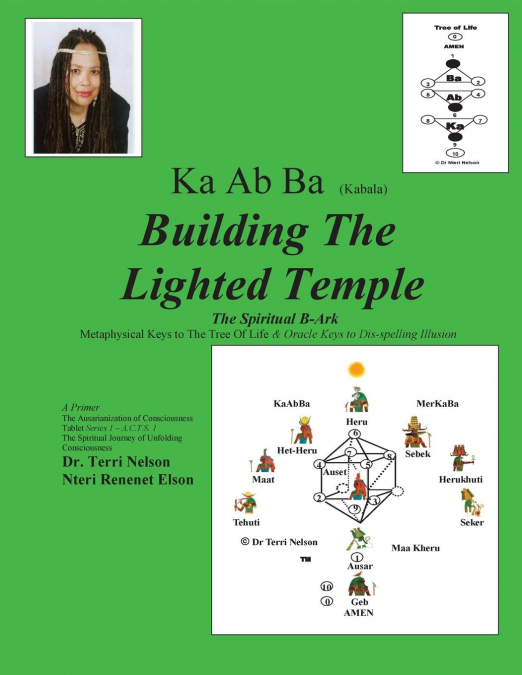
  • Ka Ab Ba Building The Lighted Temple
    Dr Terri R. Nelson / Dr Terri RNelson
    The book KaAbBa Building The Lighted Temple/Metaphysical Keys to the Tree of Life draws a circle that is inclusive of the Afrikan origin of the Ancient Kemetic/Egyptian wisdom. It reveals the undeniable root and link of Ancient Africa to all the religious systems that would develop worldwide. This book is explosive in its power to convey the meaning of KaAbBa, the Medu Neter  (...
    Disponible

    37,41 €

  • Technoethics and the Evolving Knowledge Society
    Rocci Luppicini
    Recently, there has been a major push to rediscover the ethical dimension of technology across the sciences, social sciences, and humanities. Technoethics and the Evolving Knowledge Society: Ethical Issues in Technological Design, Research, Development, and Innovation examines human processes and practices connected to technology embedded within social, political, and moral sph...
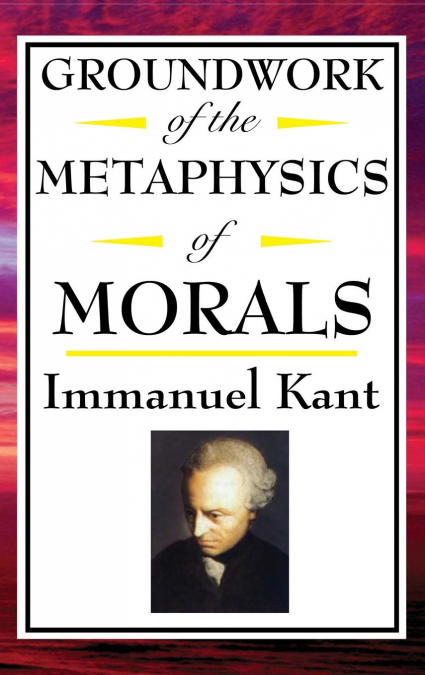
  • Kant
    Immanuel Kant
    Kant’s Groundwork of the Metaphysics of Morals is one of the most important works in modern moral philosophy. It belongs beside Plato, Aristotle, Machiavelli, and Hobbes. Here Kant sets out to articulate and defend the Categorical Imperative - the fundamental principle that underlies moral reasoning - and to lay the foundation for a comprehensive account of justice and human vi...
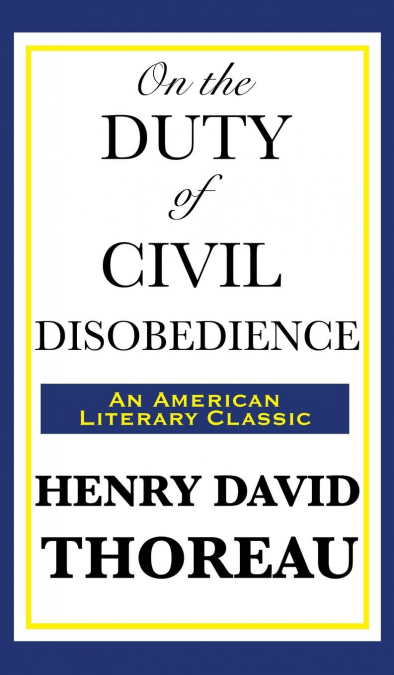
  • On the Duty of Civil Disobedience
    HENRY DAVID THOREAU
    Civil Disobedience argues that citizens should not permit their governments to overrule their consciences, and that they have a duty to avoid allowing their acquiescence to enable the government to make them the agents of injustice. Thoreau was motivated in part by his disgust with slavery and the Mexican-American War, but the sentiments he expresses here are just as pertinent ...
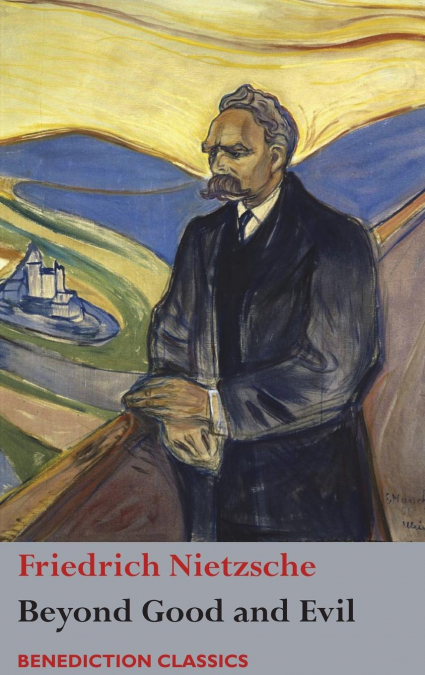
  • Beyond Good and Evil
    Friedrich Nietzsche
    Nietzsche, though primarily a philosopher, wrote widely on art, philology, history, religion, tragedy, culture, and science.  In 1886, at the height of his powers, he published Beyond Good and Evil.  Here he examines much of the best of human thought--dogmatic philosophy, Judeo-Christian morality, science and democracy – and finds it lacking.  Rejecting “slave-morality” he pres...
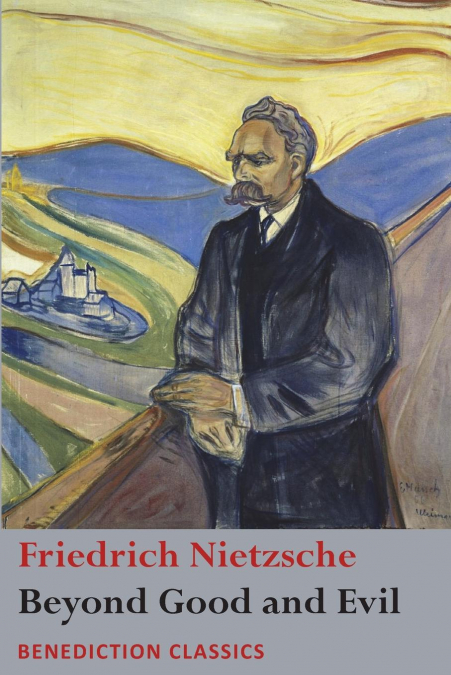
  • Beyond Good and Evil
    Friedrich Nietzsche
    Nietzsche, though primarily a philosopher, wrote widely on art, philology, history, religion, tragedy, culture, and science.  In 1886, at the height of his powers, he published Beyond Good and Evil.  Here he examines much of the best of human thought--dogmatic philosophy, Judeo-Christian morality, science and democracy – and finds it lacking.  Rejecting “slave-morality” he pres...
    Disponible

    9,99 €